


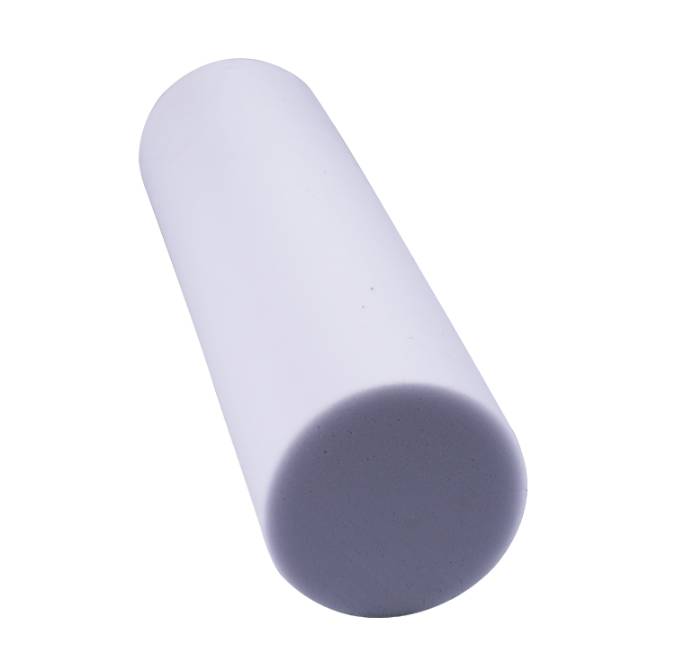
Have you ever popped the hood of a car after a long drive and felt that wave of intense heat hit you right in the face? That is the engine compartment doing its thing, and trust me, it gets seriously hot in there. Modern engines generate a ton of heat, and if that heat isnt managed properly, it can lead to all sorts of trouble, from decreased performance to damage to nearby components. So, what is the secret sauce for keeping things cool under the hood? The answer might surprise you. It is melamine foam. This lightweight material is quietly revolutionizing how automakers handle thermal management, offering a clever solution that is both super effective and surprisingly simple.
Why Pick Melamine Foam Over Traditional Options
You might be thinking, “Foam? In an engine bay? That sounds crazy.” But hear me out. Traditional insulation materials like fiberglass or heavy rubber mats have been around forever, but they have some serious downsides. They are heavy, for one, and that extra weight hurts fuel economy. They can also break down over time when exposed to engine oils and coolant spills. melamine foam is a whole different animal.
First off, this stuff can take the heat. We are talking about temperatures up to 240°C or even higher before it starts to break a sweat. That is a huge deal because the areas right around a turbocharger or exhaust manifold can hit some serious numbers. And it is not just about peak heat. It handles continuous high temperatures day after day without degrading or turning into a crumbly mess. Plus, it is inherently flame retardant, meaning if a stray spark flies or something gets too hot, it wont go up in flames and spread the problem around. The combination of high heat resistance, fire safety, and chemical durability makes it a no brainer for the harsh environment under the hood.
How Does Its Structure Trap Heat So Well?
The real magic lies in what is going on inside the foam. If you could shrink yourself down and take a walk through a piece of melamine foam, what would you see? A maze. A crazy, intricate network of thin, interconnected strands creating millions of tiny pockets of air. This is called an open cell structure, and it is the key to its insulation power.
Air is actually a great insulator, but only if it is kept still. When air moves, it carries heat with it. The maze like interior of melamine foam traps air inside those tiny cells, preventing it from circulating. Heat trying to escape from the hot engine has to travel through all those cell walls, which are made of a material that simply does not conduct heat very well. This gives melamine foam an extremely low thermal conductivity value, often clocking in around 0.031 W/m·K, which means it is incredibly effective at blocking the flow of heat. It is basically creating a dead zone for heat transfer, keeping the intense engine temperatures right where engine temperature belongs, not soaking into the hood or cooking the sensitive electronics nearby.
The Incredible Double Duty on Noise and Heat
Here is where melamine foam gets really clever. It does not just stop heat; it kills noise too. That same open, maze like structure that traps air is also a pro at trapping sound waves. Those waves bounce around inside the foam, losing their energy and turning into tiny amounts of heat. The result is a dramatic reduction in engine noise reaching the cabin.
Think about what happens in a real car. You have got a roaring engine, whining turbochargers, and all kinds of mechanical clatter. A single layer of melamine foam placed on the underside of the engine hood or wrapped around the engine cover works like a superhero with two powers. It reflects heat away from the hood while simultaneously absorbing all that acoustic energy. You get a cooler engine bay and a much quieter, more pleasant ride. That is why manufacturers love using it; it solves two major problems with one simple, lightweight component. You slap this stuff in, and suddenly the car feels more refined and drives better because nothing under the hood is getting cooked. Some specialized versions even have an adhesive backing, making installation a snap.
Cutting the Weight, Not the Performance
Saving weight is everything in the car business today. Every pound you shave off helps with acceleration, braking, and especially fuel economy. That is where melamine foam has a huge advantage over the old school stuff. It is incredibly light.
To give you an idea, a typical high quality version of melamine foam has a density of only about 9 kilograms per cubic meter. Compare that to a typical fiberglass mat or a heavy rubber insulator. This stuff is like a feather. Using it in an engine cover or a hood liner can cut the weight of that part by a whopping 40% or more when compared to fiberglass alternatives. It might not sound like much for a single component, but when you start adding these kinds of weight savings across the whole vehicle, it adds up fast. That leads directly to lower fuel consumption, fewer CO2 emissions, and better handling because the weight you are shedding is often up high on the vehicle, improving its center of gravity. And it is not just a theory. Major automakers like Volkswagen, Porsche, and others have been using this stuff for years. They use melamine foam on engine covers and other hot spots to keep things quiet and cool, proving that it works flawlessly in the real world.
A Quick Look at Manufacturing and Fit
Making all of this work in a real engine bay is about more than just the material itself. You need it to fit perfectly. Engine compartments are packed with stuff. There is no room for some bulky, weirdly shaped insulation pad. The great thing about melamine foam is how easy it is to work with. It can be cut, shaped, die cut, and formed into just about any shape an engineer can dream up. Through processes like thermal compression, the foam can be molded to follow the exact contours of an engine cover, an oil pan, or a firewall. This means you get a perfect, form fitting insulation layer that doesnt take up any unnecessary space. And because it is flexible, it can even act as a buffer, absorbing vibrations between parts. Some of the specialized foams, like those we work with at the company, can be laminated with foils or scrims to add even more heat reflecting capability or to provide a durable surface that resists abrasion. This customizability transforms it from a simple foam sheet into a precision engineered component.
Heavy Duty Testing Before the Road
Before any of this stuff makes it into your car, it gets put through the wringer. Automakers do not just guess if something is going to hold up. They test it until it breaks. And melamine foam has passed some of the toughest tests around. The engine compartment is a nasty place with heat, oil, coolant, road salt, and constant vibration. Materials need to stand up to all of it.
Independent tests show that melamine foam has excellent resistance to automotive fluids. It can handle being splashed with oil, coolant, and even gasoline without losing its structural integrity or its insulation properties. It also has outstanding resistance to temperature cycling, meaning going from a freezing cold winter night to a blazing hot engine running at full throttle. The foam bounces back without cracking or crumbling. Furthermore, its fire safety is proven with a UL94 V-0 rating, the highest level for plastic materials, meaning it stops burning almost instantly after a flame is removed. It also exceeds the FMVSS 302 flame spread requirements that are mandatory for all automotive interior materials. This rigorous testing gives engineers the confidence to spec it into the designs of everything from family sedans to high performance sports cars.
The Future Looks Cool Under the Hood
Looking ahead, the role of melamine foam is only going to get bigger. As cars become more electrified with hybrids and full EVs, thermal management becomes even more critical. For electric vehicles, keeping the battery pack at the perfect temperature is key for range and battery life, and melamine foam is already being used as a buffer and insulator in those packs. It is also being placed between individual battery cells as a thermal runaway barrier to keep a fire from spreading if one cell fails. The same properties that make it great under an engine hood make it perfect for these new challenges. So, the next time you are driving a car that feels refined, quiet, and powerful, remember there is a good chance a humble piece of melamine foam is working hard, keeping the hot stuff in and the noise out. It is a brilliant example of how a clever material can make a huge difference in the real world.