


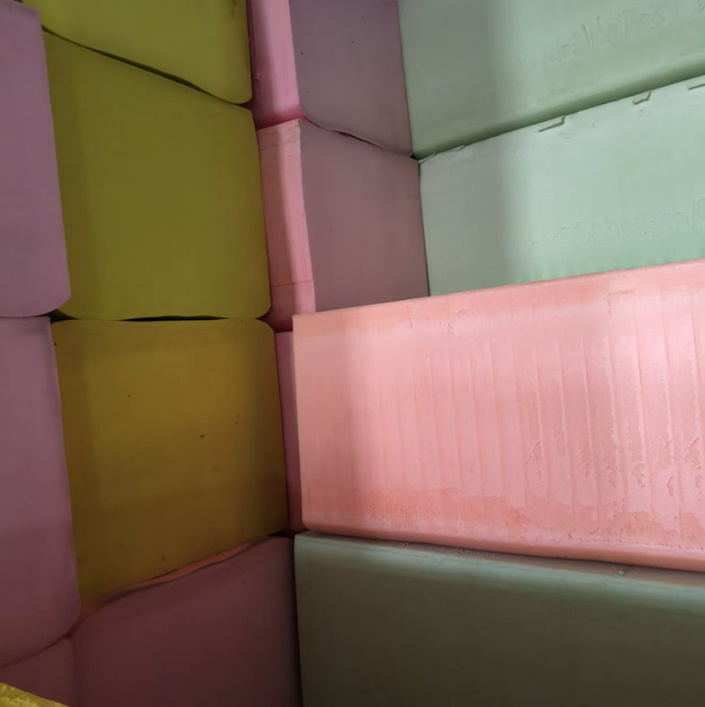
Clean the house, then head to the garage to fix the car, then check on some noisy equipment at work—does this sound familiar? Many of us juggle different tasks that require different tools and solutions. But what if one simple, lightweight material could help with all of them? That material is melamine foam. It truly shows off its versatile applications every day, from wiping away crayon marks on the wall to keeping an engine compartment cool and quiet.
A Gentle Heavy Hitter for Stubborn Household Messes
Let’s start where most people first meet melamine foam. Think about those annoying scuff marks on the wall, greasy fingerprints on the kitchen cabinet, or soap scum on the shower door. Scrubbing hard with harsh chemicals can damage the surface and hurt your hands. Melamine foam works differently. Just wet it lightly, squeeze out the extra water, and gently rub the stain. The foam’s micro structure acts like super fine sandpaper, lifting dirt right off. It cleans crayon, marker, and even stubborn tea stains without extra cleaners. This gentle yet tough cleaning power is one reason for its versatile applications at home. Many people just keep a piece under the sink for quick cleanups, and it never lets them down. What’s great is that it only needs water, so you save money on cleaning sprays and reduce chemical use around your family.
Keeping Your Car Clean Without the Scratches
Car enthusiasts are picky about what touches their paint and interior. A harsh cloth can leave fine scratches, and some chemical cleaners might harm the dashboard. Melamine foam offers a safer middle ground. You can clean leather seats, wipe off dust from the center console, or remove bugs from the front bumper without worrying about damage. The foam wears away before it hurts the finish, making it a trusted helper for car detailing. From hubcaps to the steering wheel, the versatile applications in auto care are huge. Even better, if you make a mistake and scrub a little too hard, the foam just crumbles away instead of scratching. That peace of mind matters a lot when you love your car.
Controlling the Noise and Heat Under the Hood
Now let’s move from the surface to the engine compartment. This is where melamine foam really shows off its serious side. Under the hood, temperatures get extreme, and noise levels can be high. Traditional insulation materials are often heavy or don’t handle heat well. Melamine foam solves both problems at once. It provides excellent acoustic insulation to quiet down the rumble, and its thermal insulation keeps heat where it belongs. Some top automotive brands have used melamine foam for engine covers and compartment liners to reduce noise while cutting down on weight. This smart use of the material highlights how its versatile applications go way beyond simple cleaning. The foam also resists fire, so it adds an important safety layer in case something goes wrong. For anyone who builds or maintains vehicles, this is a huge win.
Making Industrial Equipment Quieter and Safer
Walk into any factory, and you will hear the hum of motors, pumps, and compressors. Over time, that noise can be exhausting for workers and even violate safety rules. Melamine foam is a favorite in industrial settings because it absorbs sound across a wide range of frequencies. It also handles high temperatures and resists flames without needing extra chemical treatments. Factories use it to wrap pipes, line machine compartments, and build acoustic barriers. Because the foam is so lightweight, it does not add much extra weight to equipment. Workers find it easy to cut and install. The versatile applications in industry range from covering steam pipes to insulating air conditioning ducts. Maintenance teams love it because it stays effective for years and does not collect dust or mold like some other materials.
Building Better Sound in Public Spaces
Restaurants, offices, and school hallways can get loud quickly. Too much echo makes conversations hard and creates stress. Melamine foam panels are now a go to solution for improving room acoustics. Architects install them on walls or ceilings to cut down on reverberation without making the space look ugly. The foam can be painted or covered with fabric to match the design. Home studios and home theaters also benefit from better sound absorption. Whether you are making a podcast or just want to watch a movie without the noise bouncing around, melamine foam helps. The versatile applications in architecture and interior design keep growing as more people realize how well it works. It is fire safe too, so it meets building codes without extra steps.
Why This One Material Keeps Finding New Jobs
The secret behind all these uses lies in the foam’s structure. It is open cell, which means sound waves get trapped inside, and air can flow through. It handles temperatures from extreme cold to engine level heat. It is fire resistant by nature, so it does not need dangerous chemical coatings. And best of all, it is easy to shape. You can cut it with a knife or scissors, so custom sizes are simple. This adaptability explains the versatile applications that keep appearing every year. From the family kitchen to the factory floor, melamine foam just works. People often try it for one job and then discover five more things they can use it for. That kind of real world flexibility is rare.
The Takeaway
So next time you see a scuff mark on a wall or hear a loud machine that needs quieting, think of melamine foam. It starts as a simple cleaning tool and ends up solving some pretty tough industrial problems. It is not a miracle, just smart material science that does many jobs well. And in a world full of single use gadgets, finding something with so many versatile applications feels like a breath of fresh air. Give it a try for one task, and you will probably find a dozen more.