2026-03-09
JUNHUA Melamine Foam is a professional manufacturer specializing in high-performance melamine foam materials for modern industrial applications. Equipped with multiple advanced production lines and an annual production capacity exceeding 100,000 m³, JUNHUA provides reliable material solutions for demanding industrial environments.
Our products are widely used in industries that require lightweight insulation, sound absorption, thermal protection, and structural stability.
JUNHUA melamine foam is engineered for multiple industrial functions:
• Acoustic Control
• Thermal Management
• Vibration Isolation
• Cleaning Technology
These capabilities make it suitable for use in manufacturing, transportation, electronics, construction, and energy systems.
JUNHUA melamine foam is manufactured using a microwave thermosetting process, utilizing melamine resin and polyoxymethylene resin as the core raw materials. The resulting material features a fine open-cell structure, ultra-light weight, and high efficiency across multiple performance metrics.
Flame Retardant
Halogen-free environmentally friendly flame resistance.
Acoustic Performance
Noise Reduction Coefficient NRC ≥ 0.9, delivering outstanding sound absorption.
Wide Temperature Range
Operational range from -160°C to +240°C.
Environmental Performance
Low VOC emissions and excellent chemical resistance.
Ease of Use
Soft and flexible structure suitable for filtration, precision cleaning, and electronic device applications.
Structural Advantages
• Ultra-lightweight
• Hydrophobic properties
• Thermoformable
• Recyclable
• Semi-rigid structure
Density and thickness are customizable. JUNHUA offers materials as thin as 0.3 mm in roll form, providing superior flexibility for various industrial applications.
JUNHUA has developed a zero-added formaldehyde melamine foam platform, offering improved environmental safety while maintaining the excellent acoustic, thermal, and flame-retardant properties of traditional melamine materials.
Developed using 6 industrial foaming processes and 23 patented technologies, this high-performance series offers exceptional structural reliability.
• Excellent shape retention
• High compressive strength
• Outstanding dimensional stability
• Maintains flame resistance and acoustic performance
• Equipment housings
• Vibration-damping bases
• Wall and ceiling backing panels
• Lightweight structural components
This material fills a critical gap in the market for load-bearing insulation and soundproofing materials, making it widely applicable in:
• Automotive manufacturing
• HVAC systems
• Building construction
An environmentally friendly recycled material solution with densities ranging from 35–95 kg/m³.
• Reprocessed recycled melamine resin
• Reduced Product Carbon Footprint (PCF)
• Fully customizable shapes and sizes
Maintains strong performance in:
• Sound insulation
• Thermal insulation
• Fire safety
• Equipment liners
• Acoustic panels
• Building insulation systems
A next-generation nano-composite insulation material combining a nano-porous aerogel matrix with a 3-D open-cell melamine foam skeleton.
This multi-scale thermal barrier structure dramatically reduces heat transfer while maintaining flexibility and inherent flame resistance.
• Thermal Conductivity: ≤ 0.016 W/m·K
• Thickness Range: 0.3 – 10 mm
• Density Range: 50 – 120 kg/m³
• Temperature Resistance: −200°C to +300°C (Peak 350°C)
• UL94 V-0
• EN 45545
• GB 8624 B1
All materials feature inherent flame resistance without additional flame retardants.
• Flexible sheets
• Precision cut components
• Laminated structures
• Adhesive backing options
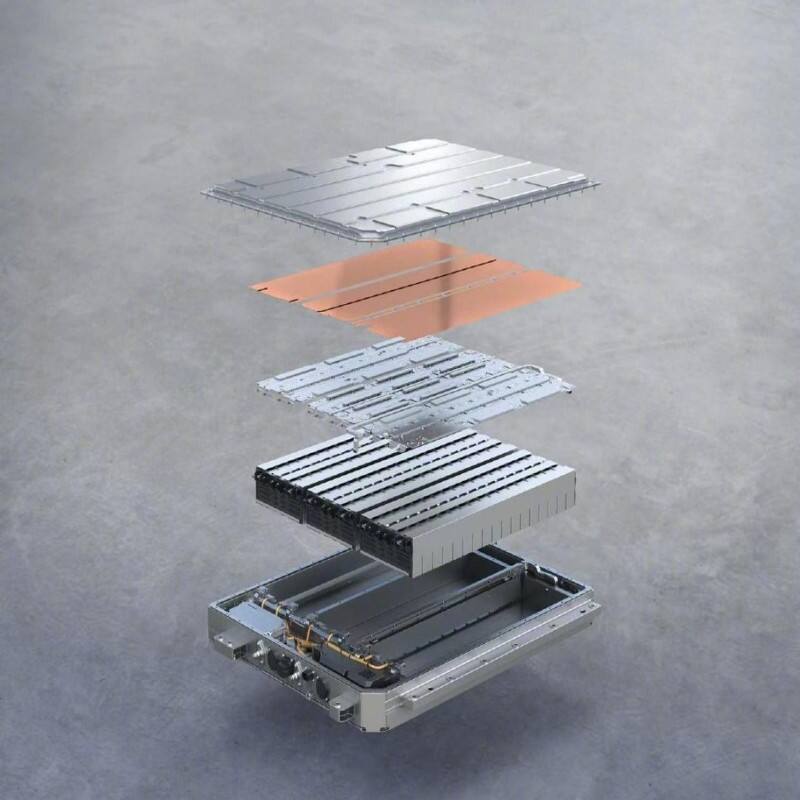
Used in battery modules, energy storage cabinets, and hydrogen fuel cells to provide thermal insulation and fire protection.
Typical thickness: 0.8 – 6 mm
Suitable for compressors, heat pumps, data center cooling systems, and cold chain equipment, delivering both thermal insulation and noise reduction.
Typical thickness: 0.5 – 5 mm
Applied in aircraft and satellite panels, train interiors, and vehicle engine compartments, where lightweight fire-resistant insulation materials are essential.
Typical thickness: 1 – 5 mm
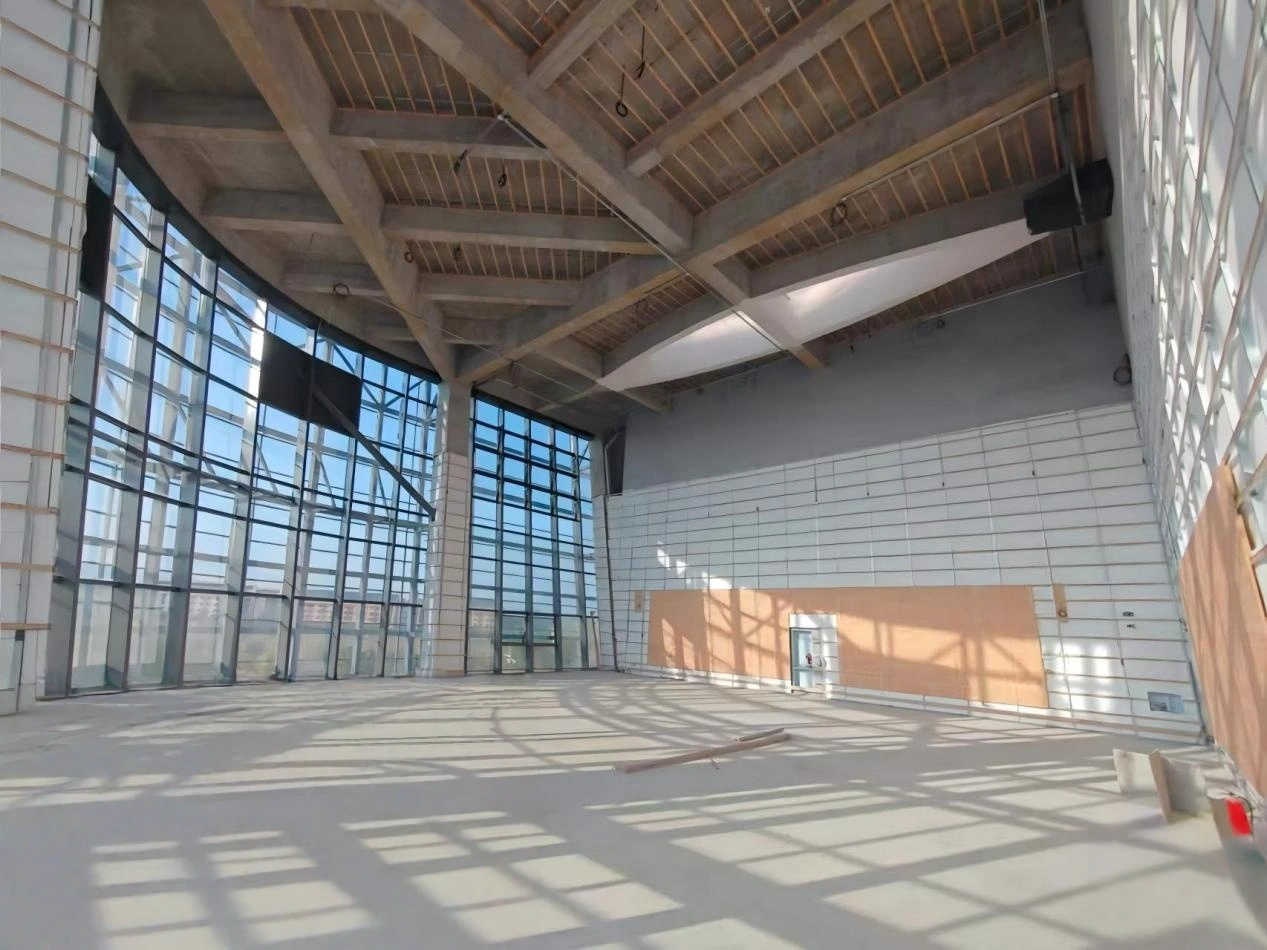
Used in curtain walls, roofs, equipment housings, and pipeline insulation systems to improve thermal management and fire safety.
Typical thickness: 3 – 5 mm
Installed in electrical cabinets, telecommunications systems, and precision instruments to ensure thermal stability and humidity control.
Typical thickness: 0.3 – 2 mm


After your message is successfully submitted, we will text you back if necessary.