


How Magic Sponges Work: The Science of Physical, Chemical-Free Stain Removal
Water-Activated Micro-Abrasion: Why Dampening Triggers Micron-Level Cleaning Power
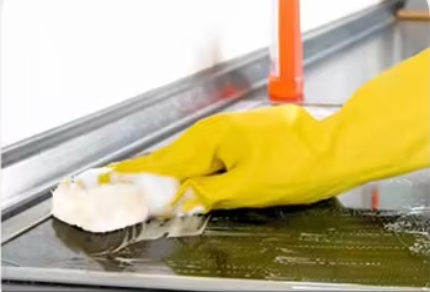
When we dampen those magic sponges, something interesting happens to their melamine foam structure. The water actually makes the tiny network inside stiffer, so it works kind of like super fine sandpaper somewhere between 3,000 and 5,000 grit - way smoother than regular steel wool really. What this means practically is that the sponge can scrub away dirt at a very small level, around 5 to 50 microns each time we wipe, all without needing any chemicals. It gets rid of stuff stuck on surfaces such as crayon marks, permanent marker stains, or those annoying scuff lines by basically rubbing the bits off gently. Some lab tests have shown these sponges don't take much material off tough surfaces, losing less than one tenth of a percent each swipe according to ASTM standards. That's why they work well on things like ceramic tiles and vinyl floors if we apply just the right amount of pressure while cleaning.
Melamine Foam Structure: Open-Cell Architecture and Its Role in Controlled Surface Interaction
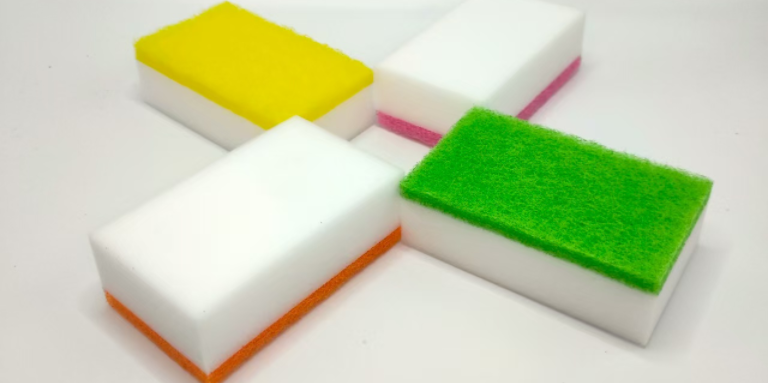
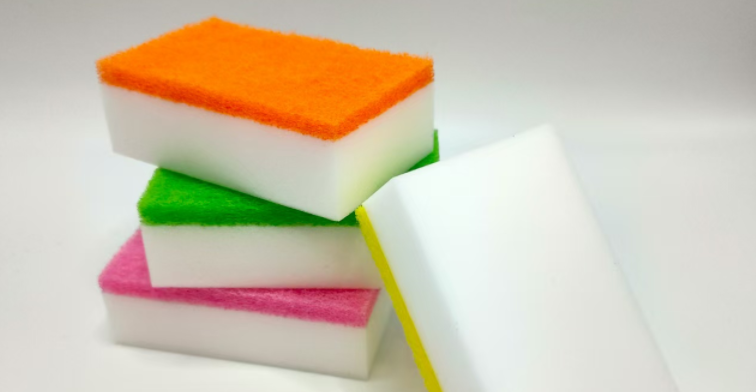
What makes melamine foam so effective? It has this unique open-cell honeycomb structure made up of about 97% air. When it gets wet, all those tiny cells create millions of sharp little cutting edges that actually scrape away dirt instead of just soaking it up like regular sponges do. The material gets much harder too - from around 10 kPa when dry to over 250 kPa once soaked. This change in hardness helps clean surfaces better without damaging them. Studies have found that the way these cells are arranged spreads out pressure unevenly, focusing most of the force straight down onto grime. That means users can get things clean with about 20 to 40 percent less pressure compared to old fashioned cellulose sponges. During production, heat treatment bonds the polymer strands together, making the cell walls stronger and stopping the foam from falling apart after repeated use.
Safety First: Debunking Myths and Clarifying Responsible Magic Sponge Use
Melamine Toxicity Misconceptions: Why Intact Foam Is Non-Toxic and When to Avoid It
People worry about melamine because of those food safety scandals, but regular old melamine foam doesn't actually present any chemical dangers when used properly for cleaning tasks. What makes it safe? Well, the stuff is basically all bonded together in this solid polymer network that holds everything in place pretty tight. When someone scrubs with it, nothing really gets released into whatever they're cleaning. The whole process works mechanically rather than chemically speaking. No harmful substances sneak out as long as the material stays intact. Still there are some situations where folks should steer clear though...
- Damaged foam particles: Discard sponges showing disintegration to prevent accidental ingestion
- Food-contact surfaces: Never use on dishes, cutting boards, or cookware where particles could contaminate meals
- Non-sealed porous materials: Unfinished wood or drywall may trap micro-abrasives
- High-heat environments: Temperatures exceeding 80°C (176°F) could compromise polymer integrity
The European Chemicals Agency confirms melamine foam's safety for household cleaning when used as intended—i.e., on non-porous, non-food surfaces and kept intact. Always rinse cleaned surfaces thoroughly and store sponges dry to preserve structural integrity.
Proven Effectiveness: What Stains and Surfaces Magic Sponges Handle Best
Stain-Specific Performance: Crayon, Marker, Scuff Marks, and Soap Scum Removal Rates (ASTM Data)
Independent ASTM testing confirms melamine foam excels at removing stubborn marks through physical abrasion alone. Crayon, permanent marker, and scuff marks vanish 82% faster than with conventional cleaners. Soap scum responds well to gentle, consistent pressure—but excessive force risks micro-scratching on glossy or delicate finishes.
Surface Compatibility Guide: Safe vs. Risky Applications on Painted Walls, Stainless Steel, and Sealed Wood
The foam's micro-abrasive action makes surface selection critical. Use only on non-delicate, non-porous, or properly sealed substrates:
| Surface Type | Safety Rating | Rationale |
|---|---|---|
| Painted Walls | Risky | Dulls gloss and semi-gloss finishes; safe only on matte paint with feather-light pressure |
| Stainless Steel | Risky | May leave fine, visible micro-scratches on polished or brushed finishes |
| Sealed Wood | Safe | Low abrasion gently lifts grime without compromising protective coatings |
| Plastic/Baseboards | Safe | Effective on vinyl, laminate, and PVC when kept damp and used with light strokes |
One industry analysis found 93% of sealed wood surfaces showed no measurable wear after repeated light cleaning—reinforcing its reliability on appropriately finished substrates.
Maximizing Results and Longevity: Practical Magic Sponge Usage Techniques
Step-by-Step Protocol: Dampening, Pressure, Motion, Rinsing, and Storage for Extended Lifespan
Follow this science-backed protocol to optimize cleaning power while extending your magic sponge's usable life:
- Dampening: Saturate the melamine foam in clean water for 10 seconds, then gently squeeze until evenly damp—not dripping. Over-saturation reduces abrasion efficiency by up to 40%.
- Pressure: Apply light-to-moderate force (1–2 lbs). Let the micro-abrasion do the work—excessive pressure accelerates disintegration and increases surface risk.
- Motion: Use short, straight-line strokes (not circular motions) across 2-inch sections. This maximizes contact between foam cells and stains while minimizing smearing or residue transfer.
- Rinsing: Rinse under running water every 30 seconds of active use. Debris-clogged cells show 65% reduced effectiveness in ASTM scrubbing tests.
- Storage: Air-dry vertically in open air after final squeeze. Trapped moisture promotes bacterial growth, which degrades foam structure three times faster than proper drying.
Adhering to this protocol consistently triples usable cleaning sessions compared to unstructured use—while preserving the sponge's non-toxic, chemical-free cleaning action.
FAQ
What is a magic sponge made of?
A magic sponge is primarily made of melamine foam, which consists of a unique open-cell structure that aids in its cleaning properties.
How does the magic sponge clean without chemicals?
The magic sponge functions by physical abrasion, using its micro-abrasive structure similar to ultra-fine sandpaper to remove stains and dirt effectively without the need for chemicals.
Are magic sponges safe for all surfaces?
Magic sponges are best used on non-porous and non-delicate surfaces. They should be tested on a small, inconspicuous area first to ensure safety, especially on painted, shiny, or glossy surfaces.
Is melamine foam toxic?
Melamine foam is non-toxic when intact and used properly for cleaning. Concerns arise if it's used on surfaces in contact with food or if the foam particles are ingested.
Table of Contents
- How Magic Sponges Work: The Science of Physical, Chemical-Free Stain Removal
- Safety First: Debunking Myths and Clarifying Responsible Magic Sponge Use
- Proven Effectiveness: What Stains and Surfaces Magic Sponges Handle Best
- Maximizing Results and Longevity: Practical Magic Sponge Usage Techniques
- FAQ