


Why Partnering with a Certified Melamine Sponge Manufacturer Reduces Bulk Order Risk
Performance Consistency vs. Cost-Cutting: How Substandard Production Impacts Industrial-Scale Use
When industrial buyers source melamine sponges from factories without proper certification, they're walking into a minefield of operational problems. Many cheap manufacturers cut corners on production quality, messing with the polymerization process or getting the formaldehyde mix wrong. This leads to sponges that fall apart way too soon during tough cleaning jobs. According to findings published in the latest Industrial Cleaning Report, these inferior products have between 40 and 60 percent more defects when used for abrasive tasks. The result? Unexpected machine stoppages, damaged equipment from tiny sponge bits breaking off, and extra work hours spent fixing things. Looking at numbers from the Ponemon Institute study last year, facilities typically lose around seven hundred forty thousand dollars each year because of these issues alone. That's usually way more than what companies save by going with those super cheap suppliers in the first place.
The Role of ISO 9001 and ISO 14001 Certification in Ensuring Reliable Melamine Sponge Manufacturing
Getting certified through ISO standards actually gives companies real protection when buying large quantities of products. Manufacturers with ISO 9001 certification put in place these quality control measures that keep foam density pretty much consistent, usually within about 3% either way. That matters a lot because customers need their scrubbers to work the same way whether they ordered 10 or 10,000 units. At the same time, those who follow ISO 14001 guidelines tend to source materials responsibly and handle waste properly. Some recent audits showed this cuts down on regulatory problems by almost 90%, which makes sense given how strict environmental regulations have become lately. When companies have both these certifications, they can track everything from when they mix the resins all the way through to final checks. This basically stops those annoying batch differences that so many non-certified suppliers struggle with.
Key Evaluation Criteria for a Trusted Melamine Sponge Manufacturer
Selecting the right melamine sponge manufacturer requires scrutinizing two critical operational pillars: material integrity and customization agility.
Raw Material Sourcing & Formaldehyde Compliance (CARB Phase 2, EU E1)
Manufacturers who take quality seriously tend to go for pharmaceutical grade melamine resin when making their products. They spend plenty of time testing the raw materials they get from suppliers to check for any formaldehyde emissions. Meeting CARB Phase 2 requirements set by California's air resources board along with EU E1 standards means the finished product has no more than 0.05 parts per million of formaldehyde content. This level matters a lot because it keeps workers safe and meets all necessary regulations. When companies skip these important steps, problems start popping up like contamination issues in the final product, possible violations at work sites, and weird inconsistencies in how porous the material becomes which really affects how well abrasives perform when produced in large quantities. For businesses buying in bulk, getting third party lab reports on each production batch isn't just good practice anymore it's basically required these days if they want to maintain trust with clients and avoid headaches down the road.
OEM/ODM Capabilities: Custom Density, Color, and Packaging for B2B Clients
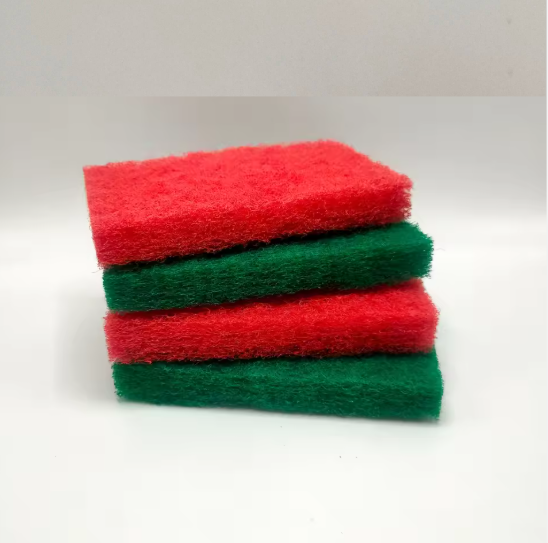
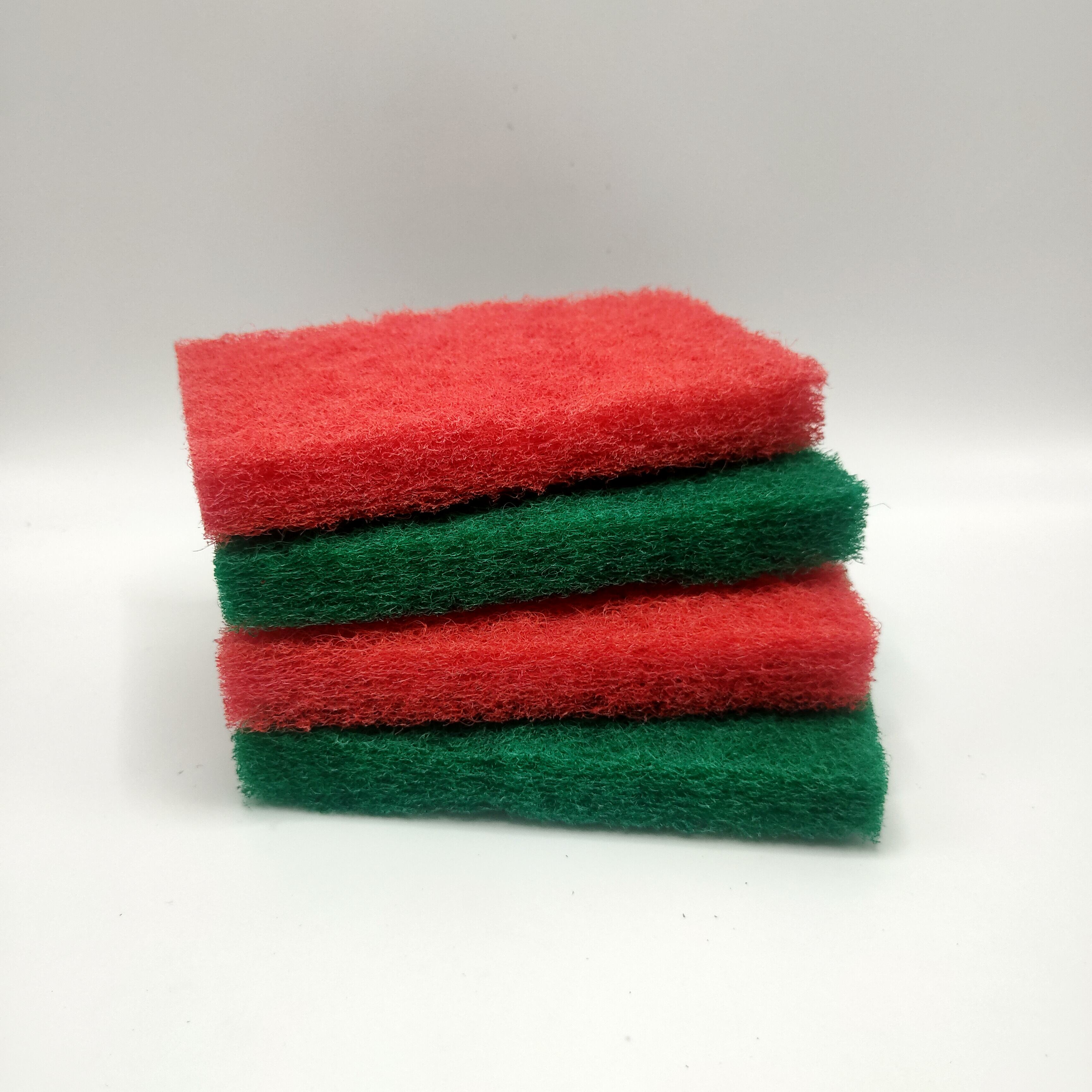
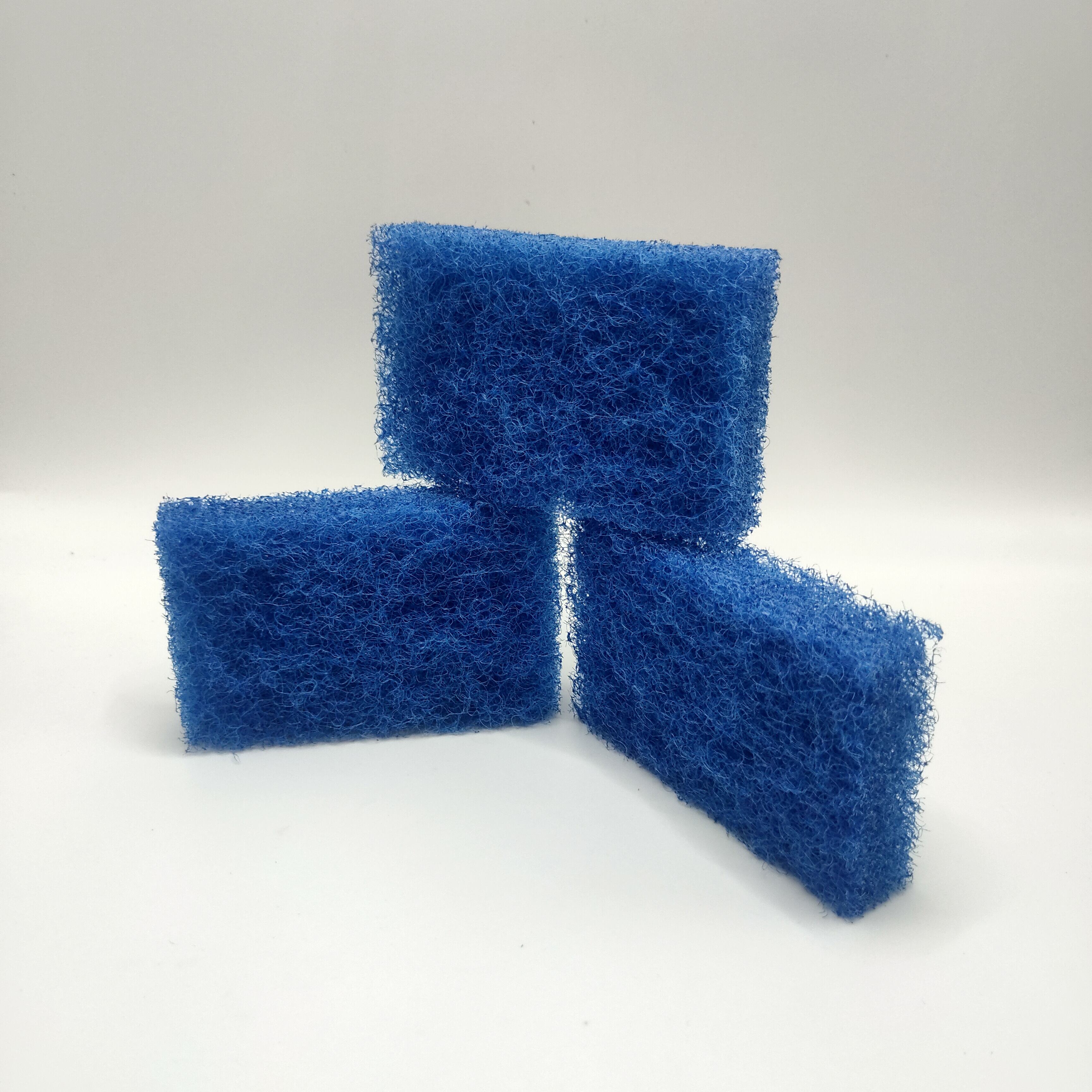
Leading producers in the market provide customized products when buying in large quantities. Adjusting density between 6 and 12 kg per cubic meter lets users control how abrasive the material will be, whether working on sensitive surfaces or tackling tough cleaning jobs. When it comes to colors, companies can match their branding or create visual cues for different uses like using blue pads for glasswork and green ones for removing grease buildup. Packaging comes in various forms too including vacuum packed blocks that last longer, custom printed boxes for retail display, and full pallet loads that cut down on shipping expenses. Because these manufacturers handle everything from production to distribution, they can work with smaller minimum orders yet still scale up quickly when needed by both wholesale buyers and original equipment manufacturers looking to integrate these materials into their own product lines.
Operational Transparency: What to Expect from a Top-Tier Melamine Sponge Manufacturer
Vertical Integration: Control Across Polymerization, Foaming, and Quality-Gated Finishing
Manufacturers who control their entire production chain from start to finish tend to run smoother operations. When companies handle everything themselves - from making the raw materials all the way through foaming processes and final touches - they cut out those unpredictable elements that come with outside suppliers. Take foaming as an example. Doing this internally allows them to hit just the right density levels within about half a percent accuracy, something really important for products used in tough industrial settings where wear resistance matters. Their quality checks are pretty strict too. Automated systems scan for thickness variations and toss out anything off by more than 0.3 millimeters. The Ponemon Institute reported back in 2023 that these kinds of integrated approaches save businesses around $740,000 each year on fixing defective batches, which adds up fast when dealing with large orders.
Batch Traceability, Real-Time Reporting, and Third-Party Lab Validation per Shipment
Every shipment should include verifiable documentation proving compliance and performance. Top-tier suppliers implement blockchain-tracked batch IDs tracing materials back to origin. Real-time dashboards update clients on production milestones and formaldehyde levels (consistently <0.1 ppm under EU E1 standards). Crucially, independent labs validate each batch for:
- Abrasion resistance (tested per ASTM D4060)
- pH stability (maintaining 6.5–7.5 range after 500+ cycles)
- Tensile strength retention (>90% after accelerated aging)
This multi-layered validation prevents non-conforming goods from reaching B2B partners.
Logistics and Commercial Terms for Scalable Bulk Procurement
When dealing with bulk orders, melamine sponge manufacturers need flexible logistics systems and clear pricing structures if they want their businesses to grow. Most companies handle everything from small partial container shipments all the way up to full containers, which works well when market demands change. Smart producers set up bonded warehouses across different regions so products get to customers faster, cutting down delivery times by around 15 to 30 percent. They also invest in good inventory management software to keep track of what's in stock and avoid running out unexpectedly. From a money standpoint, many successful operations manage to get net-60 payment terms or use letters of credit arrangements that help maintain steady cash flow without risking disruptions in supply. All these behind-the-scenes improvements typically save industrial clients between 7 and 12 percent on overall costs, making it much easier for them to match purchasing with actual production requirements.
FAQ
Why is ISO certification important for melamine sponge manufacturers?
ISO certification ensures consistent quality and safety standards. Manufacturers with ISO 9001 and ISO 14001 certifications have established processes to ensure reliability and environmental compliance, reducing defect rates in large orders.
What are CARB Phase 2 and EU E1 standards?
These standards dictate the acceptable limits of formaldehyde emissions in products, ensuring they are safe for workers and compliant with regulations.
Can manufacturers customize melamine sponges for different applications?
Yes, OEM/ODM manufacturers can customize sponge density, color, and packaging to suit specific industrial needs and branding requirements.
What are the benefits of vertical integration in sponge manufacturing?
Vertical integration allows manufacturers to control the entire production process, improving consistency and reducing defects, ultimately saving costs.
How do bulk order logistics affect cost savings?
Efficient logistics like bonded warehouses and smart inventory management cut delivery times and inventory costs, saving clients between 7-12% on overall procurement costs.
Table of Contents
- Why Partnering with a Certified Melamine Sponge Manufacturer Reduces Bulk Order Risk
- Key Evaluation Criteria for a Trusted Melamine Sponge Manufacturer
- Operational Transparency: What to Expect from a Top-Tier Melamine Sponge Manufacturer
- Logistics and Commercial Terms for Scalable Bulk Procurement
-
FAQ
- Why is ISO certification important for melamine sponge manufacturers?
- What are CARB Phase 2 and EU E1 standards?
- Can manufacturers customize melamine sponges for different applications?
- What are the benefits of vertical integration in sponge manufacturing?
- How do bulk order logistics affect cost savings?